INSPIRED BY LESSONS IN CLASS
Sahal Haffejee’s The Debt of Kindness is a remarkable Grade 9 short story that demonstrates a maturity of imagination well beyond his years. With confident pacing, vivid sensory detail, and an instinctive grasp of moral symbolism, Sahal crafts a narrative that is both gripping and quietly profound. His ability to move the reader from fear, to despair, to hope—while maintaining emotional authenticity—signals the emergence of a young writer with genuine literary promise.
This story is not merely an adventure; it is a meditation on how small acts of goodness echo through time, often returning to us in moments we least expect.
This is the second short story that a young man has written after the introduction of writing the genre in class.

The Debt of Kindness follows Hank, a young sailor who survives a violent shipwreck only to be thrust into a journey of hardship, captivity, and moral testing. After sharing his last piece of bread with a mysterious elderly woman, Hank is swept into a dangerous bargain with a deceptive king and forced into years of servitude. When his life is finally threatened, the same woman reappears—revealing that his earlier act of compassion has become the key to his escape. Guided by her cryptic instruction, Hank seizes a narrow chance at freedom and ultimately breaks away from the king’s tyranny.
Central Message
At its heart, the story explores the enduring power of kindness. Sahal reminds us that goodness is never wasted:
“Kindness may seem small when you give it, but one day it may become the greatest gift you have ever received.”
The narrative affirms that compassion often travels silently through the world, returning to us at the exact moment we need it most. It is a timeless lesson—delivered through a tale of courage, consequence, and hope.
- Abdullah Sujee
The classroom is your springboard – use it to dive into a world of opportunity.

The Debt of Kindness
Short Story by Sahal Haffejee. Grade 9 / 2026
The sea had always frightened me.
As a child, I had watched fishermen disappear beyond the horizon and wondered what could possibly exist beneath that endless sheet of blue. My father used to laugh whenever I told him I was afraid.
“The sea does not hate you,” he would say. “It simply demands respect.”
I remembered those words on the night the sea tried to swallow me.
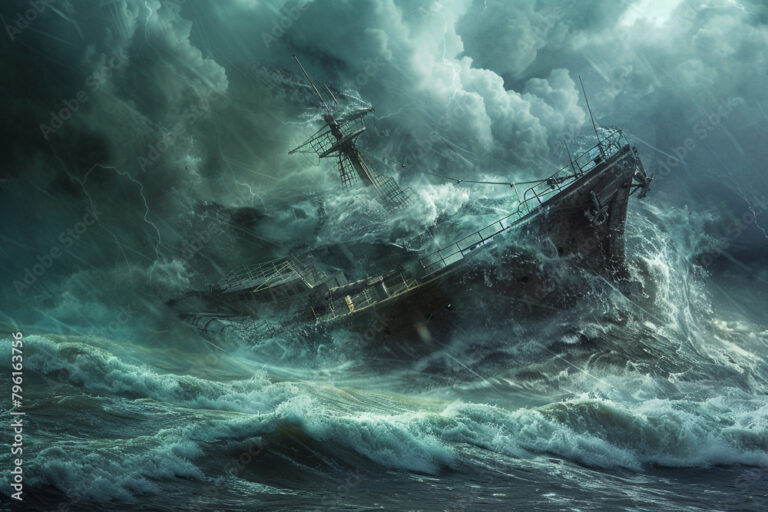
The storm had appeared without warning. One moment, the sky had been dark but peaceful; the next, clouds had gathered overhead like an army preparing for battle. Lightning tore across the sky, illuminating enormous waves that rose around our small ship.
Rain struck my face like handfuls of stones.
“Hold the ropes!” someone shouted.
I grabbed the nearest rope and wrapped it tightly around my arm. The deck beneath me shifted violently as another wave crashed against the side of the ship.
Men shouted. Wooden barrels rolled across the deck. The sails snapped violently in the wind.
Then I heard a terrible sound.
CRACK!
The ship split apart.

The deck disappeared beneath my feet, and I was thrown into the freezing darkness.
The ocean swallowed me.
I fought desperately towards the surface, but the current dragged me deeper. My lungs burned. My arms became heavy. I could no longer tell which way was up.
For a moment, I thought of home.
I saw my mother’s face.
I heard my father’s voice.
Then everything disappeared.
When I opened my eyes, I was lying on a deserted beach.
The sun was rising.
I pushed myself onto my hands and knees and coughed seawater onto the sand. Every part of my body ached. My clothes were torn, my lips were numb from the cold, and blood stained one of my sleeves.
I turned towards the sea.
There was no sign of the ship.
No sign of the other sailors.
I was alone.
I searched my pockets. I had no money, no weapon and no food. The only thing I found was a small piece of bread that had somehow survived the journey.
I stared at it.
My stomach growled.
I tore off a piece and swallowed it slowly.
Then I began walking.
I did not know where I was going. I simply knew that staying on the beach would mean death.
For hours, I wandered through unfamiliar land. Eventually, I reached the edge of a forest. The trees were tall and twisted, their branches forming a dark roof above me.
That was where I saw her.
An elderly woman sat beneath a crooked tree. Her clothes were worn and covered in dirt. Her hands trembled as she rested them in her lap.
When she saw me, she raised her head.
“Please,” she whispered. “Do you have anything to eat?”
I looked at my remaining bread.
I was starving.
For several seconds, neither of us spoke.
Then I remembered my mother’s words: If you have enough to help someone, you have enough to share.
I handed the woman the bread.
She stared at it as though I had given her a treasure.
“Thank you,” she said.
I turned away.
“Wait.”
I looked back.
She smiled.
“Remember this. Kindness may seem small when you give it, but one day it may become the greatest gift you have ever received.”
I frowned, confused by her words.
When I looked away for only a moment, she had vanished.
I searched the trees, but there was no sign of her.
I continued walking.
By sunset, I reached a busy town. People filled the streets, carrying baskets, leading horses and shouting to one another. The smell of cooked meat and fresh bread drifted through the air.
My stomach twisted with hunger.
I noticed a tavern and approached it, hoping someone might offer me work.
Outside sat a wealthy-looking gentleman.
He wore a dark coat embroidered with gold thread. His boots were polished, and a large ring glittered on his finger. A cigar rested between his fingers as he studied a chessboard.
He looked up.
“You,” he said.
I stopped.
“You look like a man who has lost everything.”
“I have,” I replied.
He smiled.
“Then perhaps I can give you a chance to regain it.”
He invited me to play three games of chess.
“If you win,” he said, “I will give you one hundred thousand gold coins.”
I stared at him.
“And if I lose?”
His smile disappeared.
“You will serve me for seven years and seven months.”
I should have walked away.
Something about him made my skin crawl.
But hunger had weakened my judgment, and desperation had become stronger than fear.
I sat down.
The first game lasted only a few minutes.
Checkmate.
The second was even quicker.
Checkmate.
By the third game, I already knew I was going to lose.
The man studied me calmly before moving his final piece.
“Checkmate.”
I stared at the board.
I had lost everything again.
Guards seized my arms and bound my wrists.
I was taken to a waiting carriage.
As the wheels began to turn, I looked back at the town disappearing behind me.
I wondered if I would ever see freedom again.
Hours later, the carriage stopped before enormous iron gates.
Beyond them stood a palace.
It was magnificent.
Golden towers rose towards the sky, and hundreds of windows reflected the moonlight. Marble statues guarded the entrance, while enormous chandeliers illuminated the halls inside.
But the beauty did not last long.
As I entered the palace, I noticed the servants.
They moved quickly and silently, keeping their heads lowered. Their faces were tired. Some carried heavy loads while others hurried from room to room.
Nobody smiled.
The wealthy gentleman stepped through the doorway.
Every servant bowed.
“Your Majesty.”
My heart stopped.
The man turned towards me.
“I suppose you finally understand who you have lost your game against.”
He smiled.
“I am the king.”
My punishment began immediately.
I cleaned carriages, carried supplies, scrubbed floors and worked in the kitchens. Every day began before sunrise and ended long after sunset.
The palace became a prison.
At first, I resisted.
I complained. I refused orders. I argued with guards.
Each time, I was punished.
Eventually, I learned to remain silent.
It was during my first month that I met Sam.
He was an older servant who had spent most of his life inside the palace. One evening, he noticed me struggling to lift a heavy crate.
“Put it down,” he said.
“I can manage.”
“No, you can’t.”
He took the other side of the crate and helped me carry it.
Later, we sat outside the servants’ quarters.
“Why don’t you leave?” I asked.
Sam laughed bitterly.
“Leave where?”
“Anywhere.”
He looked towards the palace walls.
“There is nowhere to go.”
For the first time, I realised that I was not the only prisoner.
Sam became my friend.
He taught me which guards were cruel, which corridors were rarely watched and how to survive the king’s unpredictable temper.
But whenever I spoke about escaping, he shook his head.
“Don’t,” he warned. “The king always wins.”
Months passed.
Then another month.
Then another.
The seasons changed outside the palace walls, but my life remained the same.
Eventually, a year had passed.
I hardly recognised myself.
My clothes hung loosely from my body. My hands were covered with scars and calluses. I had stopped thinking about home because remembering it hurt too much.
Sometimes I wondered whether my family still believed I was alive.
One evening, while returning to the servants’ quarters, I heard voices coming from the headmaster’s office.
I stopped.
The king was speaking.
“Sam.”
“Yes, Your Majesty?”
“That slave, Hank, has become useless.”
My heart froze.
“He barely completes his work anymore.”
Sam remained silent.
“Tomorrow, after he cleans the carriages, take him away.”
There was a pause.
“Your Majesty…”
“I did not ask for your opinion.”
I stepped away from the door.
That night, I could not sleep.
I stared into the darkness, thinking about the seven years still ahead of me.
Then I heard footsteps.
I sat upright.
A faint glow appeared near the doorway.
The old woman stood before me.
The same woman from the forest.
I could barely speak.
“You…”
She smiled.
“You gave me your bread when you had almost nothing.”
“How did you get here?”
“That does not matter.”
She stepped closer.
“What matters is that tomorrow you will be given one final choice.”
She told me about an abandoned barn at the far end of the palace grounds. Inside was an old statue. Hanging above it was a katana.
She told me to take a crowbar and hammer from the tool shed, break into the barn and hide.
“When the moment comes,” she whispered, “you must be brave enough to choose your freedom.”
Then she disappeared.
The next morning, Sam approached me.
“The carriages,” he said.
I looked at him.
He noticed something in my expression.
“What are you planning?”
“I don’t know.”
He lowered his voice.
“Hank, whatever you’re thinking, don’t do it.”
I remembered his warning.
I remembered the king.
Then I remembered the bread.
“I have to.”
Sam looked at me for several seconds.
Finally, he stepped aside.
“Then may God protect you.”
I ran.
I reached the tool shed and grabbed the crowbar before sprinting across the palace grounds.
Behind me, someone shouted.
I reached the barn and smashed the lock.
The door burst open.
Inside was darkness.
Dust floated through the air, illuminated by thin beams of sunlight entering through cracks in the roof.
Then I saw it.
The statue.
And above it—the katana.
I grabbed the sword.
At that exact moment, alarms began ringing throughout the palace.
The king knew.
I hid behind a stone wall.
Moments later, the king stormed into the barnyard, sword drawn.
His eyes found me.
“You!”
For years, I had feared that voice.
Now I heard something different.
Desperation.
He charged.
His sword flashed through the air.
I stepped aside.
His blade struck one of the servants who had followed him.
Chaos erupted.
Guards shouted. Horses reared. Servants scattered.
I ran.
I crossed the palace grounds and entered the forest.
Behind me came the thunder of horses’ hooves.
Branches tore at my clothes. Stones cut into my feet. My lungs screamed for air.
But I refused to stop.
I ran until the palace disappeared.
I ran until the horses could no longer be heard.
Finally, I collapsed beneath an enormous oak tree.
For several minutes, I could do nothing but breathe.
Then I looked upwards.
The sky was clear.
The sunlight warmed my face.
For the first time in seven years, there were no walls around me.
No guards.
No orders.
No king.
I was free.
I closed my eyes and thought about the old woman.
I thought about the small piece of bread I had given her on that lonely morning.
At the time, it had seemed insignificant.
Now I understood.
Kindness does not always return immediately.
Sometimes it disappears into the world for years.
Sometimes you forget that you ever gave it.
But when the darkest moment arrives, kindness has a way of finding its way home.
I smiled.
Then I stood up and walked towards the horizon.

Sahal Haffejee. Grade 9. Port Shepstone Islamic School